
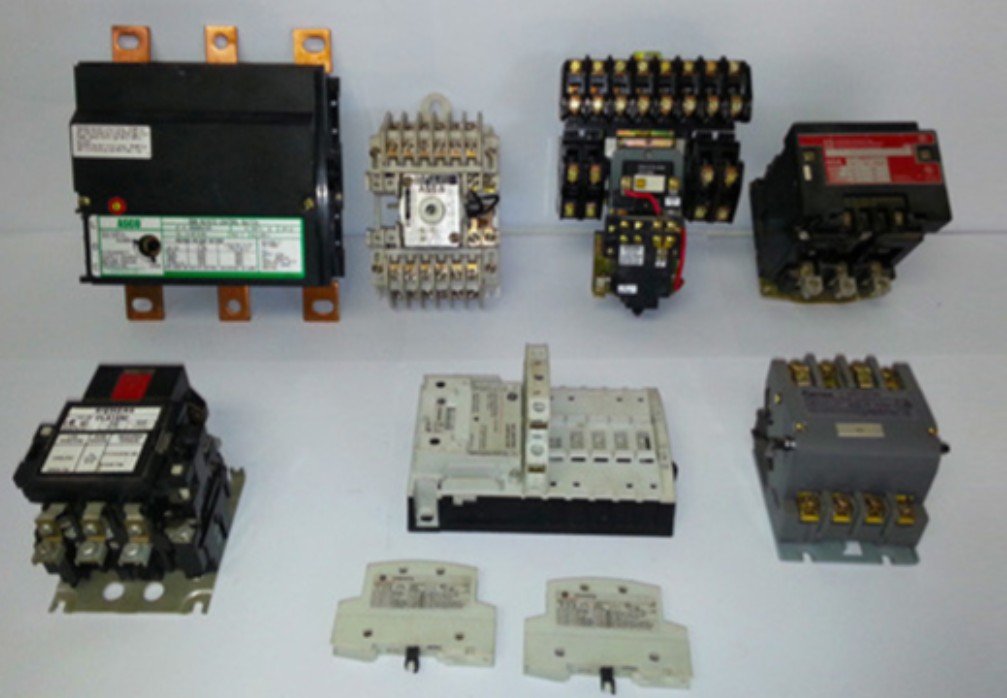
Selecting the right equipment for a power-hungry environment requires a deep understanding of how industrial motor controls and commercial motor controls function within a larger electrical ecosystem. Whether you are managing a high-output manufacturing plant or a large-scale retail complex, the ability to regulate industrial motor controls ensures that your machinery operates within safe parameters while maximizing energy efficiency. These systems are not just switches; they are the brains of your facility, integrating everything from simple starters to complex variable frequency drives that relate naturally to commercial motor controls used in HVAC and smaller utility systems. This guide, as noted on page 1 of our technical series, explores the nuances of these systems to help you make an informed decision.
Understanding the Core Architecture
At its core, a motor control system is an assembly of devices used to govern the performance of an electric motor. This includes starting, stopping, selecting forward or reverse rotation, and regulating speed. While the fundamental technology is similar, the scale and ruggedness of the components differ significantly between sectors. Industrial environments often demand equipment that can handle continuous operation under extreme stress, whereas commercial settings prioritize efficiency and integration with building management systems.
For businesses looking for specialized equipment, Electrical Distribution & Control (EDC) provides a comprehensive inventory of these vital components. Electrical Distribution & Control is a family-owned and operated business dedicated to providing high-quality electrical distribution and motor control products. They serve both local and nationwide electrical wholesale industries, specializing in finding hard-to-find or obsolete parts that other suppliers might overlook. You can explore their extensive catalog at the Company Website.com.
Defining Industrial Motor Controls
Industrial motor controls are the heavy hitters of the electrical world. You will find them in environments like cement plants, automotive assembly lines, and water treatment facilities. These systems are typically designed to handle higher voltages and more frequent duty cycles than their commercial counterparts. Because industrial motors often drive massive loads—such as rock crushers or large-scale compressors—the controls must be incredibly robust to prevent electrical arcs and mechanical wear.
A primary feature of the industrial sector is the Motor Control Center (MCC). An MCC is a floor-mounted assembly that houses multiple motor starters, branch circuit breakers, and variable frequency drives. This centralized approach allows for better cooling, easier maintenance, and enhanced safety for the plant operators. When reviewing industrial options, the focus is almost always on durability and the ability to withstand harsh environments containing dust, moisture, or chemical vapors.
The Nuances of Commercial Motor Controls
Commercial motor controls are most frequently found in office buildings, hospitals, and shopping centers. Their primary role is often the management of HVAC fans, water pumps, and elevators. While they may not face the same rugged conditions as a factory floor, they require a high degree of precision and connectivity. Modern commercial controls are often linked to a central building automation system (BAS) to optimize energy usage based on occupancy or time of day.
The “review” criteria for commercial systems lean heavily toward energy efficiency and noise reduction. For instance, a variable frequency drive (VFD) in a hospital must operate quietly while ensuring the ventilation system maintains the correct air pressure in operating rooms. The integration between commercial and industrial technology is becoming more seamless, as commercial facilities adopt industrial-grade reliability to prevent costly downtime in critical infrastructure like data centers.
Essential Components and Their Functions
To truly appreciate these systems, one must look at the individual components that make them work. The motor starter is the most fundamental piece of the puzzle. It consists of a contactor that switches the main power and an overload relay that protects the motor from drawing too much current. These are available in open, reversing, or combination formats depending on the specific application.
Another critical component is the soft starter. Unlike a traditional starter that throws full voltage at a motor instantly, a soft starter gradually increases the voltage. This prevents “water hammer” in pumping systems and reduces the mechanical shock on belts and gears. For more advanced speed control, the Variable Frequency Drive (VFD) is the gold standard. By adjusting the frequency of the electricity delivered to the motor, a VFD allows for infinite speed adjustments, which can lead to massive energy savings over time.
Electrical Distribution & Control carries a broad range of these parts from both well-known and lesser-known brands. Whether you need circuit breaker hardware kits, safety switches, transformers, or panel boards, their San Bernardino shop is a primary resource for contractors. They also offer a unique service by recycling, reconditioning, and repairing products, ensuring that your older motor control systems don’t have to be completely replaced just because a single part has become obsolete.
The Benefits of Upgrading Your Controls
One of the most significant benefits of modern motor controls is the enhancement of workplace safety. By housing all control components within a metal-enclosed cabinet, you significantly reduce the risk of accidental contact with live electrical parts. Many modern units even feature arc-resistant designs that direct the energy of an internal fault away from the operator.
Efficiency is another major “pro” in the column for new systems. Older “across-the-line” starters are notorious for wasting energy and causing spikes in power demand that can lead to higher utility bills. Modern intelligent controls can monitor the load in real-time and adjust power consumption accordingly. Furthermore, troubleshooting becomes much faster when all your starters and drives are in one centralized location rather than scattered across a massive facility.
Potential Drawbacks and Considerations
However, no review is complete without looking at the “cons” or challenges. The most immediate hurdle is the higher initial investment. A fully integrated Motor Control Center with intelligent VFDs costs significantly more than a series of standalone starters. There is also the issue of complexity; these systems require specialized knowledge to program and maintain. If your maintenance staff is not trained in digital interfaces or programmable logic controllers (PLCs), you may find yourself relying on outside contractors for every minor adjustment.
Another consideration is the rapid pace of technological change. A digital control system installed today might be considered “legacy” in a decade. This is where the service provided by Electrical Distribution & Control becomes invaluable. Because they specialize in hard-to-find and obsolete products, they provide a safety net for companies that cannot afford to overhaul their entire electrical infrastructure every time a manufacturer stops supporting a specific model.
Real-World Application and Expert Insights
In a manufacturing setting, the failure of a single motor control can bring an entire production line to a halt. In these high-stakes environments, the “intelligence” of the system is its greatest asset. Modern controls can provide predictive maintenance alerts, telling an operator that a motor is beginning to draw unusual current before it actually fails. This allows for scheduled maintenance during off-hours rather than an emergency shutdown during a peak shift.
In the commercial sector, the focus is often on the “green” aspect of motor controls. By using VFDs on large cooling tower fans, a building manager can slash energy costs by 20% to 50%. The ability to ramp a motor down to 50% speed when the full cooling capacity isn’t needed is one of the fastest ways to achieve a return on investment for an electrical upgrade.
Why Choosing the Right Partner is Critical
When an emergency happens at 2:00 AM, you don’t just need a part; you need a solution. This is why the integration of 24-hour service is a game-changer for the industry. Electrical Distribution & Control understands that emergencies don’t stick to a 9-to-5 schedule. They offer after-hours emergency assistance to help you get your equipment back online as quickly as possible. Whether it is checking their own extensive inventory or locating a rare piece of equipment not in stock, their commitment to service is a core part of their identity.
Beyond just selling parts, their team can come out to your job site or plant to help you identify the exact equipment and parts needed for replacement. This on-site identification service prevents the common frustration of ordering a part that looks correct on paper but doesn’t fit the actual physical footprint of your existing panel.
Final Verdict: Industrial vs. Commercial Controls
The decision between industrial and commercial motor controls ultimately comes down to the demands of your specific environment. If you are operating in a heavy-duty, high-voltage landscape where downtime costs thousands of dollars per minute, the ruggedness of industrial-grade controls is a necessity. If you are managing a commercial property where energy costs and building integration are the priorities, then commercial-grade controls with smart connectivity are the better fit.
Regardless of your path, the key is to source your components from a reliable supplier that understands the history of these products. With their ability to provide both new and reconditioned electrical equipment, Electrical Distribution & Control offers a unique bridge between the legacy systems of the past and the high-efficiency demands of the future. Their dedication to quality and deep inventory of motor controls, starters, and circuit breakers makes them an essential partner for any facility manager.