
If you run a commercial kitchen in Southern California, you must find out how grease trap cleaning works in Los Angeles to remain compliant with strict city environmental codes. Navigating the intersection of high-volume food production and municipal wastewater regulations can be daunting, but once you discover reliable grease trap maintenance in Los Angeles, the process becomes a seamless part of your operational rhythm. Managing fats, oils, and grease (FOG) isn’t just about avoiding a messy backup; it is a critical infrastructure requirement enforced by local authorities to protect the city’s aging sewer lines. By choosing a partner like Grease Cleaning Pros, business owners can ensure their interceptors are handled with precision. Grease Cleaning Pros is a specialized service provider dedicated to comprehensive hydro-jetting, interceptor pumping, and compliance documentation for the Los Angeles food service industry. You can learn more about their specific service packages at https://www.greasecleaningpros.com/.
Understanding the Mechanics of Grease Interceptors
To truly find out how grease trap cleaning works in Los Angeles, one must understand the physics of the device itself. Grease traps, or interceptors, work on the principle that animal fats and vegetable oils are less dense than water. When wastewater from your three-compartment sinks or dishwashers enters the trap, it slows down, allowing the mixture to cool. As the water cools, the grease separates and floats to the top, while heavier solids sink to the bottom. The “clean” water in the middle is then allowed to escape into the main sewer line. Over time, the layers of scum and sludge grow thicker, eventually reaching a point where they can escape into the city pipes, leading to massive clogs known as “fatbergs.” A professional cleaning involves more than just skimming the top; it requires a complete pump-out of all three layers—water, grease, and solids—followed by a thorough scraping of the interior baffles to ensure the unit functions at 100% capacity. This is why it is vital to discover reliable grease trap maintenance in Los Angeles, as improper cleaning can lead to immediate odors and long-term mechanical failure of the unit.
The Regulatory Landscape of the City of Angels
Los Angeles has some of the most stringent wastewater regulations in the country. The Industrial Waste Management Division (IWMD) requires food service establishments to maintain accurate logs of every cleaning event. If you fail to find out how grease trap cleaning works in Los Angeles regarding these legalities, you risk heavy fines or even the temporary closure of your business. Most establishments are required to have their traps cleaned every 30 to 90 days, depending on the size of the unit and the volume of food produced. Grease Cleaning Pros understands these local mandates and provides the necessary manifests that prove your grease was disposed of at a licensed rendering plant. When you discover reliable grease trap maintenance in Los Angeles, you aren’t just buying a cleaning service; you are buying insurance against city inspectors and potential environmental liabilities.
The Advantages of Professional Maintenance
-
Compliance and Documentation: Professional services provide the paper trail required during health department inspections.
-
Odor Mitigation: Regular pumping prevents the buildup of hydrogen sulfide gas, which creates that “rotten egg” smell that can drive away customers.
-
Cost Savings: It is significantly cheaper to pay for a scheduled pump-out than to pay for emergency plumbing repairs after a kitchen-wide backup.
-
Environmental Protection: Keeping FOG out of the Santa Monica Bay and local waterways is a collective responsibility for LA restaurateurs.
-
Equipment Longevity: Preventing grease from hardening in your pipes extends the life of your entire plumbing system.
Potential Challenges and Drawbacks
-
Operational Interruption: Cleaning usually needs to happen during off-hours to avoid the smell impacting the dining room.
-
Cost of Disposal: Licensed disposal fees are rising in California, which can impact the overhead of smaller bistros.
-
Access Issues: Some older buildings in Downtown LA or Hollywood have traps in difficult-to-reach basements or alleyways, requiring specialized pumping equipment.
-
Chemical Interference: Using “grease-dissolving” enzymes can actually be a “con” because they often just push the grease further down the line where it re-solidifies, leading to city-issued citations.
Steps to a Successful Cleaning Process
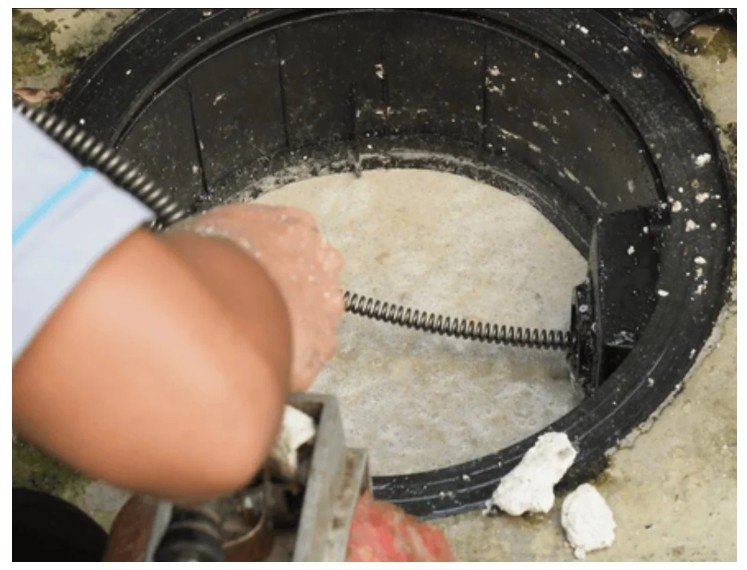
When you finally find out how grease trap cleaning works in Los Angeles, you will see it follows a specific sequence. First, the technician measures the levels of grease and solids to determine the frequency of future visits. Next, the specialized vacuum truck extracts the entire contents of the tank. After the tank is empty, the technician performs a visual inspection of the baffles and seals to check for corrosion or cracks. The walls are then pressure-washed or scraped to remove stubborn deposits. Finally, the trap is refilled with clean water to ensure the “trap” seal is reset, preventing sewer gases from entering the kitchen. This methodical approach is why you must discover reliable grease trap maintenance in Los Angeles, as skipping any of these steps can result in a trap that fails shortly after the “cleaning” is finished. Grease Cleaning Pros utilizes high-power vacuum technology to ensure that no residue is left behind during this intensive process.
Why Quality Maintenance Matters for Your Brand
A restaurant’s reputation is built on more than just the quality of the food; it is built on the atmosphere. Nothing ruins a high-end dining experience in Santa Monica or West Hollywood faster than the pungent aroma of a neglected grease trap. Furthermore, a kitchen backup during a Friday night rush is a catastrophic event that can lead to thousands of dollars in lost revenue. By taking the time to find out how grease trap cleaning works in Los Angeles, you empower yourself to manage your facility proactively. Once you discover reliable grease trap maintenance in Los Angeles, you can focus on your culinary craft while the invisible, essential infrastructure of your building is handled by experts. Grease Cleaning Pros offers the peace of mind that comes with scheduled, recurring service that adapts to your kitchen’s specific needs.
Verdict: The Essential Kitchen Checklist
Ultimately, the health of your commercial kitchen depends on a consistent cleaning schedule. Ignoring the grease trap is a gamble that rarely pays off. For those looking to stay ahead of the curve, the first step is to visit https://www.greasecleaningpros.com/ to establish a professional baseline for your facility.
-
Check your grease levels weekly using a dipstick to ensure you aren’t hitting the 25% rule (where the trap is 25% full of FOG).
-
Ensure your staff is not pouring frying oil directly down the drain; always use a separate oil recycling bin.
-
Keep your maintenance manifests in a dedicated folder near the manager’s station for easy access during inspections.
-
Schedule your cleanings during the early morning or late night to minimize the impact on customer experience.
-
Always verify that your service provider is using a licensed disposal facility to avoid “midnight dumping” liability. Knowing how to find out how grease trap cleaning works in Los Angeles is the mark of a seasoned professional. When you discover reliable grease trap maintenance in Los Angeles, you secure the future of your business and the cleanliness of the city’s water system.